
-
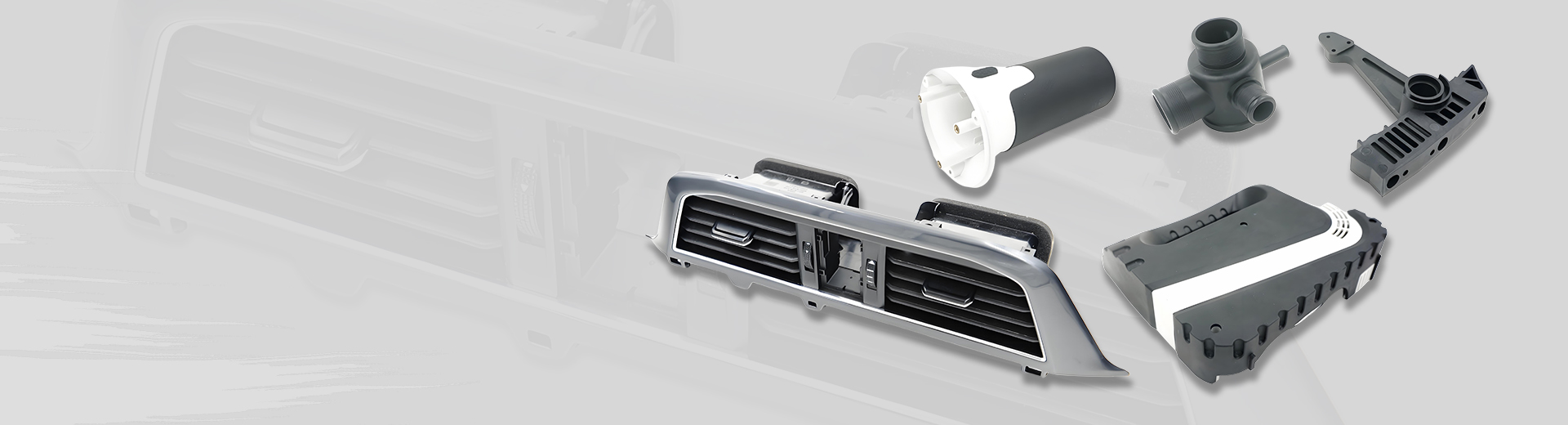 Plastic Injection Molds, 2K Molds, Die Casting Molds– Designing with concepts of Hasco and LKM standard.– DFM/3D mold model will be provide before molding making– Check on every step during mold making and molding samples.
 -
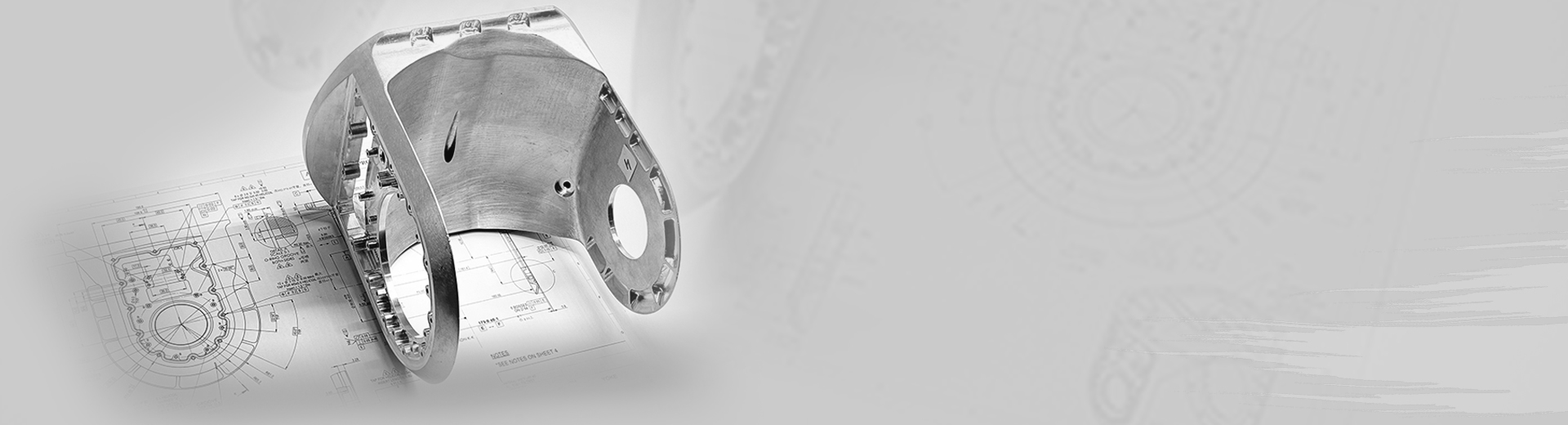 From prototype to mass production 30 years.– 100+ CNC machining equipments– 15,000 ㎡ production base– 0.006 mm high precision tolerance
 -
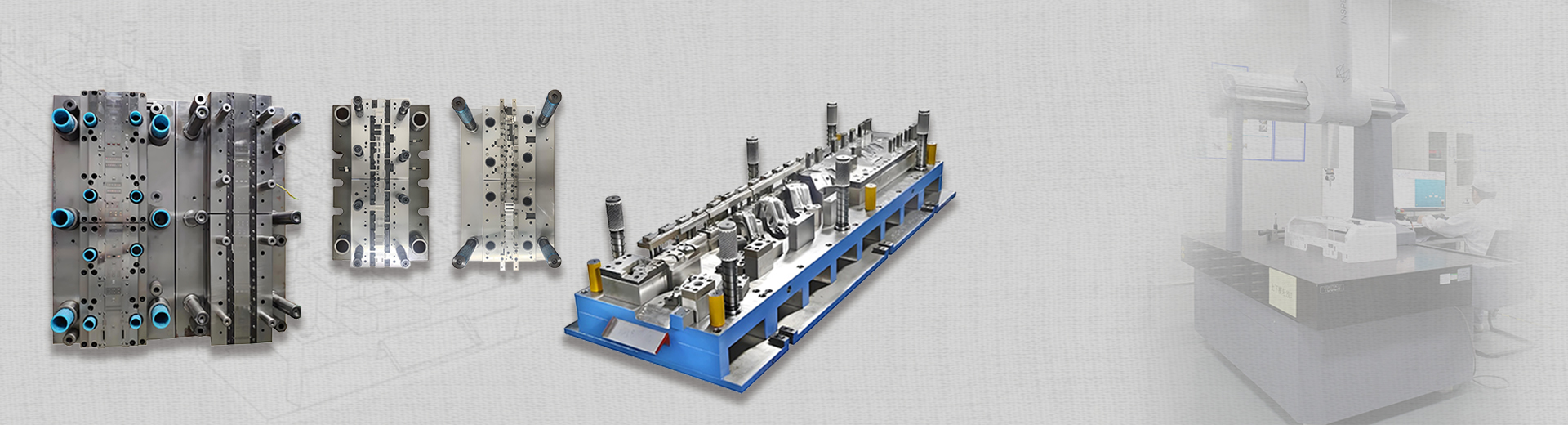 Provide you with high quality products and moulds.– ISO 9001 Certified & IATF 16949 Compliant– From 1 to 1,000,000+ Parts– Dedicated Engineering Support– Designing with concepts of Hasco and LKM standard.
 -
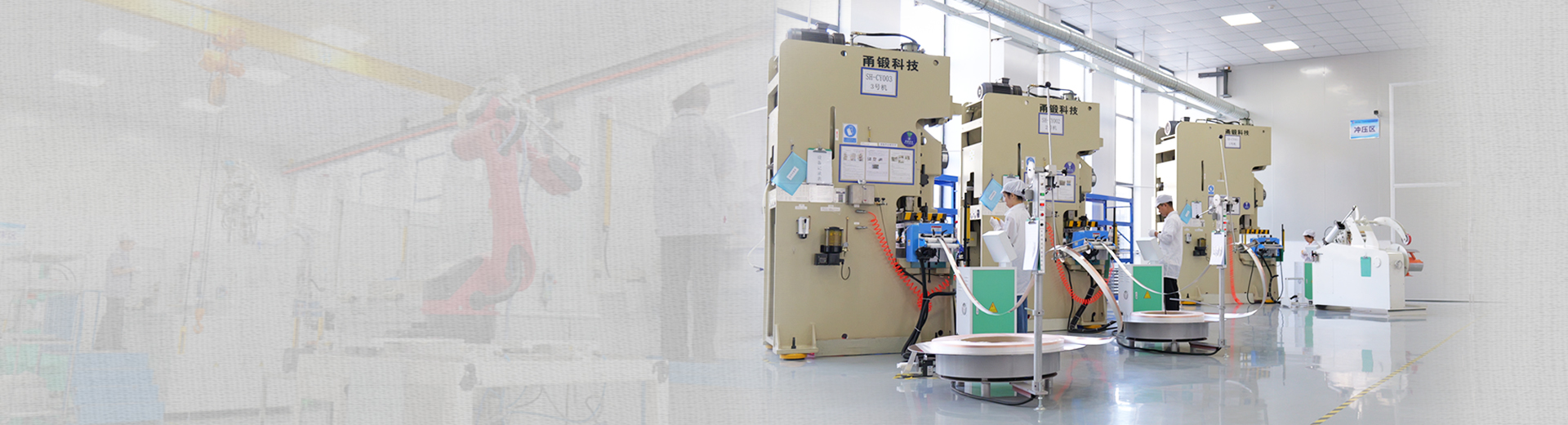 Semiconductor Divison– Continuous innovation is the only way to grow up with customers!– Semiconductor devision is equipped with high level of duty-free workshop
 -
 The driving force in spring manufactureHigh performance springs for all applicationsAerospace&MedicalAutomotive&TransportationElectronics&TechnologyIndustrial Equipment&Automation
 -
 What Kind of Parts Manufacturing Company is SUNHUI?– 24/7 Uninterrupted Production Capacity– Dedicated Engineering Support– 30,000㎡+ Factory Floor Area– Business global expansion map
Engineering Supports
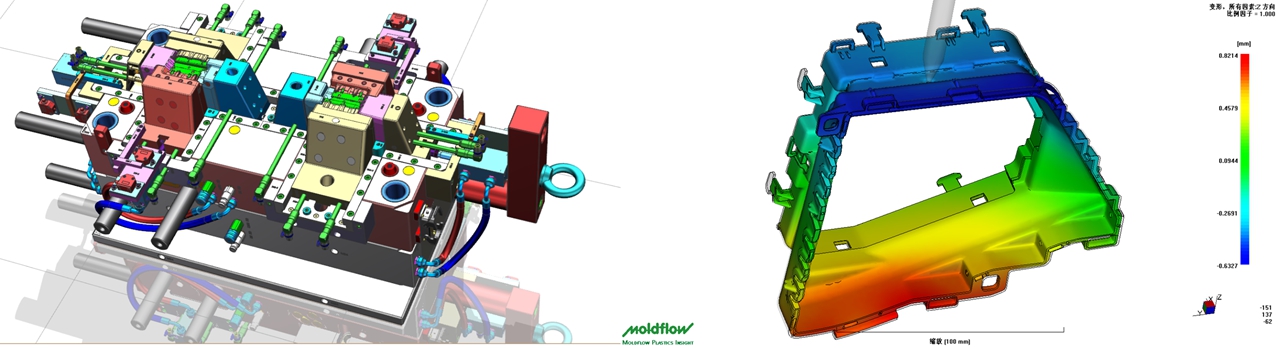
Optimized Design for Manufacturability (DFM)
Design for manufacturability (DFM) covers every aspect of the injection molding process from part design, mold tooling design, and materials selection to processing.
With 15 years of practical experience in traditional mold making and rapid tooling, our engineers will put together a comprehensive interactive quote and manufacturability analysis, and will be able to conduct design reviews to recommend the best technology for your part. Including gate type and location, parting line, draft, runner system, slide and insert, ejection, critical dimensions, tolerances and surface finishes, all matter when it comes time for production.
No need to wait for production to reveal issues with design, because with optimized design for manufacturability, our engineers will ensure your parts can be tooled and molded to scale as cost-effectively as possible.
Mold Design
HB-MOLD,a 3D solid-based mold design application is seamlessly integrated into NX,lt incorporates preset mold design time,By using Parametric 3D CAD mold design,we are able to employ CAM(Computer Aided Manufacturing)in a near paperless environment,Our PDM(Product Data Management)system ensures that incoming and outgoing files are tracked and managed.We utilize our ECN(Engineering Change Notice)system to control and verify design revisions.
Mold flow analysis
Moldflow,a plastic injection simulation application providing a truly seamless integration of part design, mold flow analysis,and mold design.By using Moldflow,we can simulate the injection molding proess,optimize molding parameters,and idntify potential tooling and molding probems in the early design stges.
Durable Thermoplastics
Material selection also plays a role in the stiffness, durability, toughness and other characteristics of parts; balancing the relationship between those material properties and part functionality is key. For example, product designers can choose a thermoplastic resin that will make a stiff, rigid part, but if its application demands a high degree of impact resistance, the brittleness of an inflexible part may cause it to break. Material properties differ from resin to resin—here’s a glance at some of our more frequently used resins:
ABS is a good, stable consumer-grade resin that is tough and impact-resistant in daily use environments. It’s commonly used in housings for remote controls, battery-powered tools, and body panels for monitors, printers, and copiers. There may be chemical resistance concerns with ABS.
Polycarbonate is more impact-resistant than ABS, and good for lenses and parts that require more shine. It is susceptible to stress cracking, and risks crazing/hazing due to chemical compatibility concerns.
Unfilled nylon is pliable and impact-resistant with good lubricity for wear. Glass-fiber filler increases nylon’s stiffness and compressive strength, but the material becomes more brittle on impact. Glass-fiber filler helps increase heat deflection.
Acetal is an excellent self-lubricating bearing material with great wear properties and good stiffness. It’s not good for cosmetic parts or parts that require pad printing, paint or decals.
TPEs are great for dust seals and padding corners for impact resistance, and used in overmolding applications for grip features. They’re not always good in dynamic applications; static applications are best. There may be chemical resistance concerns with TPE.
Reinforcing materials with an additive can also build strength into parts. Long and short glass fibers make resins stronger and stiffer (but more brittle), and carbon fibers can make resins even stiffer yet. Minerals such as talc and clay are often used as fillers to increase the hardness of finished parts; and glass beads and mica flakes are used to stiffen a part and reduce warping and shrink.
Wall Thickness
Sometimes, if you want to add strength to a part, you just have to increase overall wall thickness. Worktech provides a list of recommended wall thicknesses based on resin type to help design parts that are neither too thin nor too thick. The larger that parts get, the more attention needs to be paid to ribs, gussets, materials, and other factors that improve strength. As usual, our applications engineers are available to discuss part geometry and design, and look for the interactive moldability analysis that comes with every quoted part at SunHui.
Design Guidelines
