
-
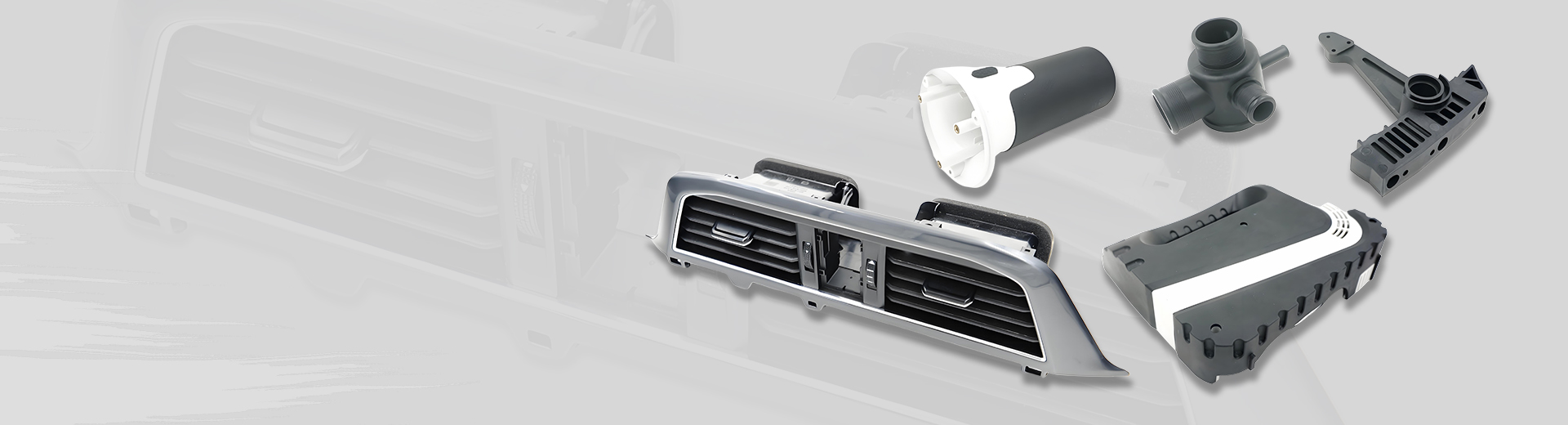 Plastic Injection Molds, 2K Molds, Die Casting Molds– Designing with concepts of Hasco and LKM standard.– DFM/3D mold model will be provide before molding making– Check on every step during mold making and molding samples.
 -
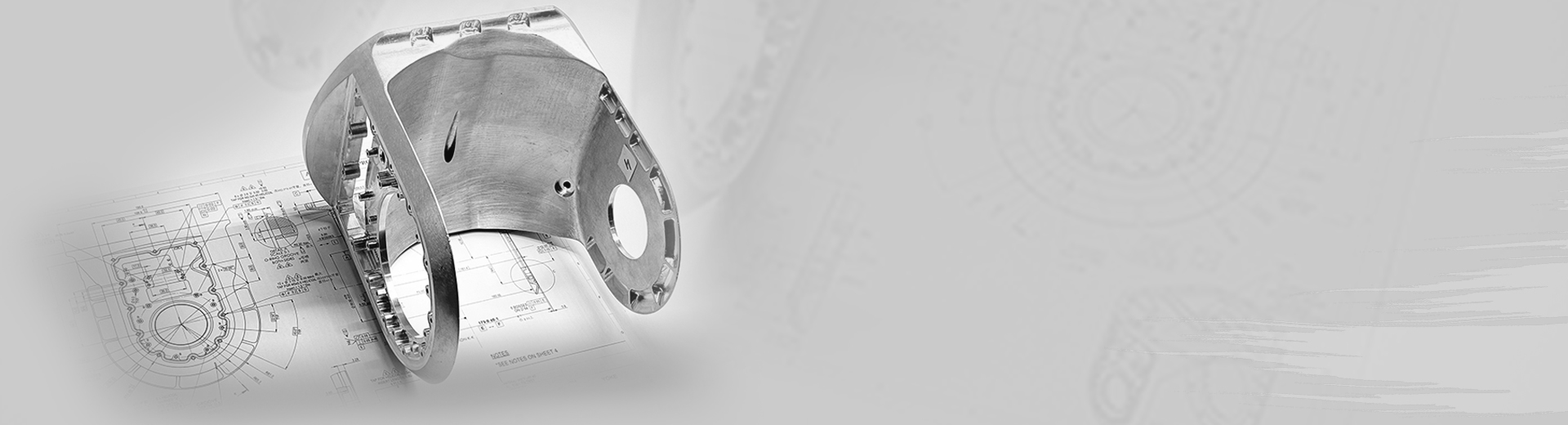 From prototype to mass production 30 years.– 100+ CNC machining equipments– 15,000 ㎡ production base– 0.006 mm high precision tolerance
 -
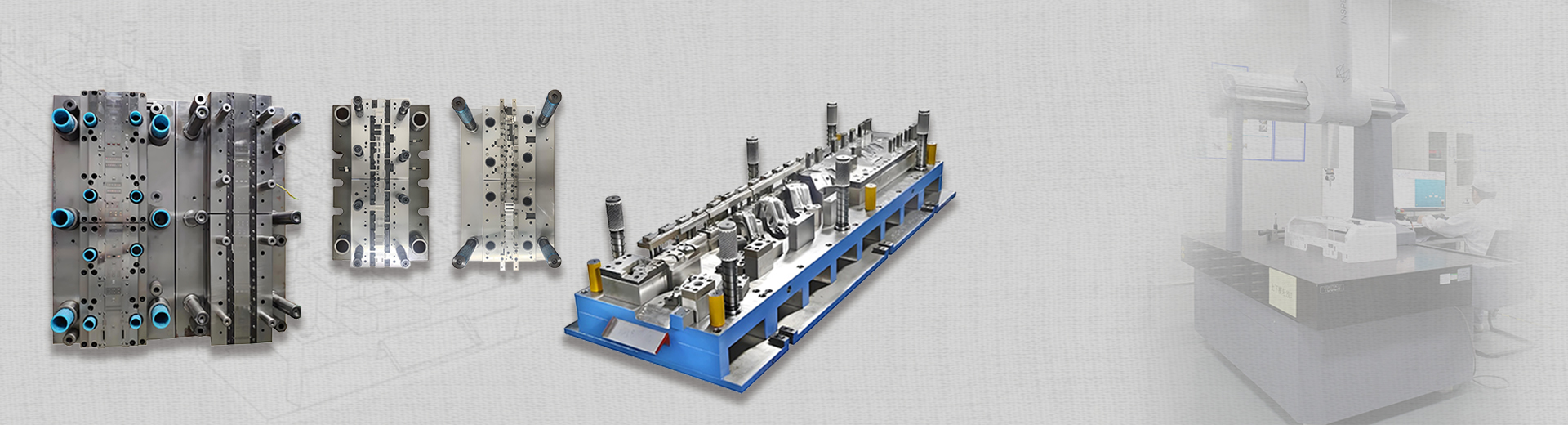 Provide you with high quality products and moulds.– ISO 9001 Certified & IATF 16949 Compliant– From 1 to 1,000,000+ Parts– Dedicated Engineering Support– Designing with concepts of Hasco and LKM standard.
 -
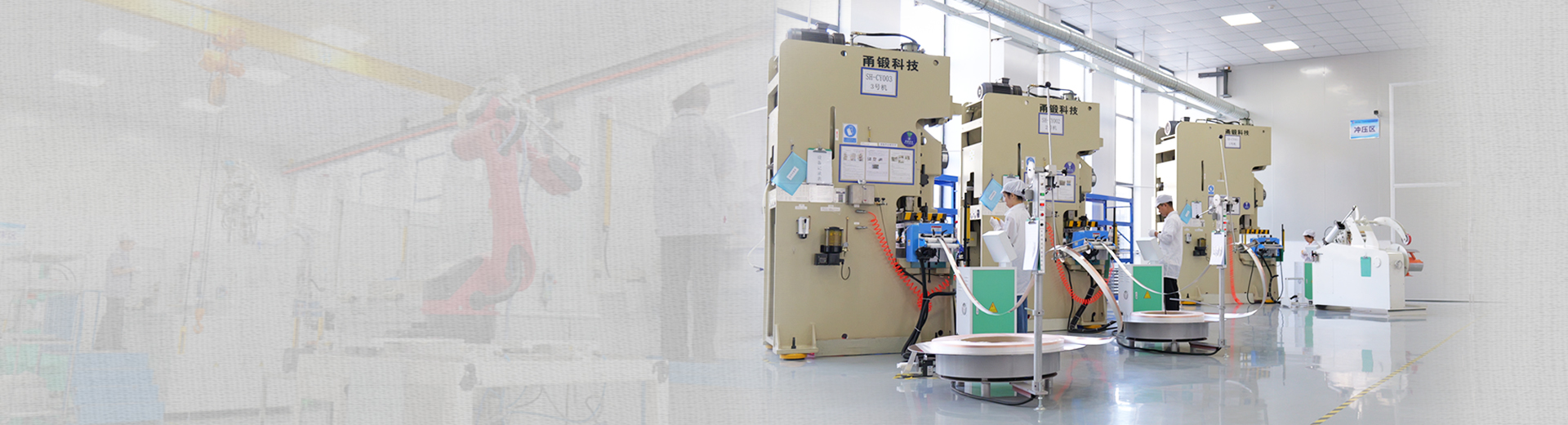 Semiconductor Divison– Continuous innovation is the only way to grow up with customers!– Semiconductor devision is equipped with high level of duty-free workshop
 -
 The driving force in spring manufactureHigh performance springs for all applicationsAerospace&MedicalAutomotive&TransportationElectronics&TechnologyIndustrial Equipment&Automation
 -
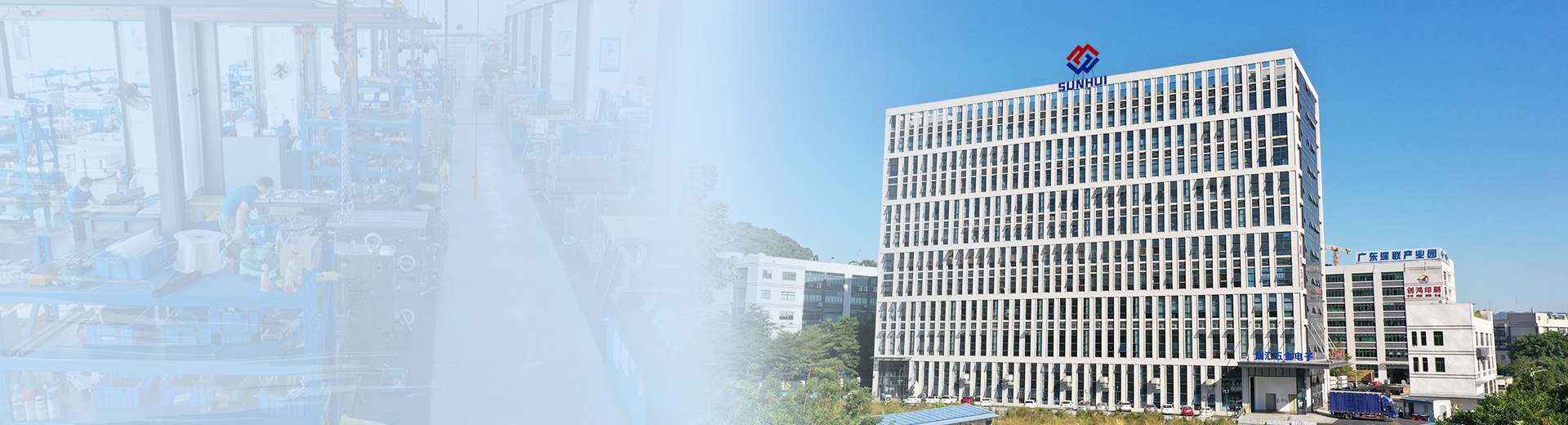 What Kind of Parts Manufacturing Company is SUNHUI?– 24/7 Uninterrupted Production Capacity– Dedicated Engineering Support– 30,000㎡+ Factory Floor Area– Business global expansion map
Die casting
Springs and Shapes
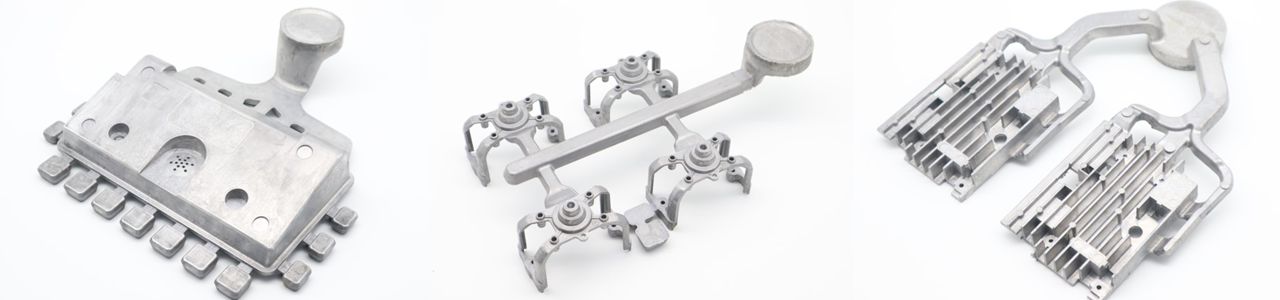
In order to produce Higher strength parts for our customers, SunHui also full equipped die casting machines from 80T to 2000T.After die casting we also provide manufacturing services to the secondary process and surface treatment.
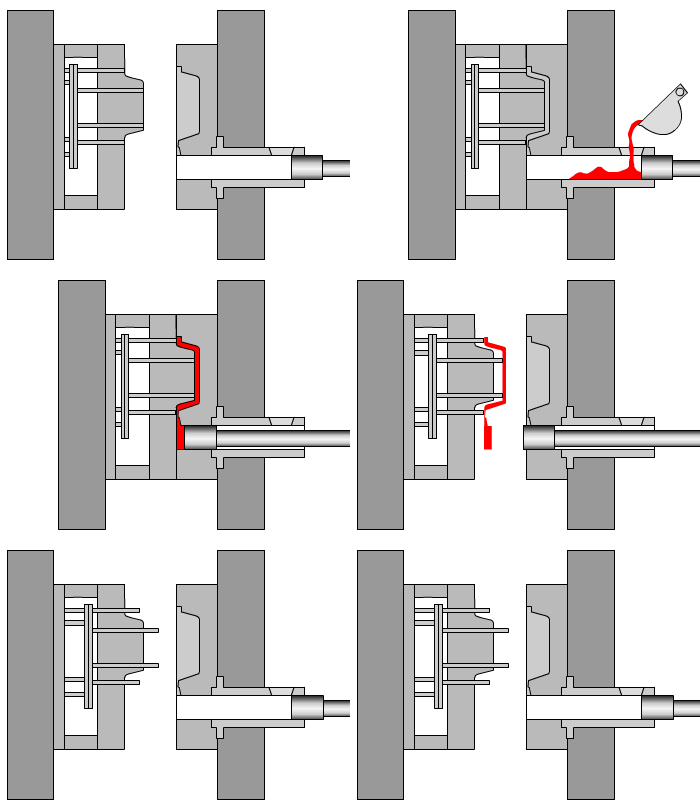
How does die-casting molding work?
Die casting at SunHui is a standard manufacturing process that can produce geometrically complex metal parts through the use of reusable molds, called dies. The die casting process involves the use of a furnace, metal, die casting machine, and die. The metal, typically a non-ferrous alloy such as aluminum or zinc, is melted in the furnace and then injected into the dies in the die casting machine. There are two main types of die casting machines - hot chamber machines (used for alloys with low melting temperatures, such as zinc) and cold chamber machines (used for alloys with high melting temperatures, such as aluminum). The differences between these machines will be detailed in the sections on equipment and tooling. However, in both machines, after the molten metal is injected into the dies, it rapidly cools and solidifies into the final part, called the casting. The steps in this process are described in greater detail in the below flash.
Available materials for Die Casting
Aluminum Alloys
Aluminum is ideal for strong, lighweight yet complex geometries. It can also be highly polished.
Our alloys include ADC12,A380, ADC10 and ADC413.
Zinc Alloys
Zinc is the least expensive but is good for plating. Available alloys are Zinc #3 and #5.
Magnesium Alloys
Magnesium offers the best strength-to-weight ratio for higher performance applications.
We offer magnesium alloy AZ91D.
_________________________________________________________________________________________________________________
Surface Finishing for Die Casting
Painting
The process is sprayed with liquid paint. The appearance looks more beautiful after spraying various colors. At the same time, the life and service life of the product can be extended due to an extra layer of protection.
Powder Coating
Powder coating is a strong, wear-resistant finish that is compatible with all metal materials.
Anodizing
Anodizing improves corrosion resistance, enhancing wear resistance and hardness, and protecting the metal surface.
Elextroplating
Electroplating can be functional, decorative or corrosion-related. Many industries use the process, in which chrome-plating of steel automobile parts is common.